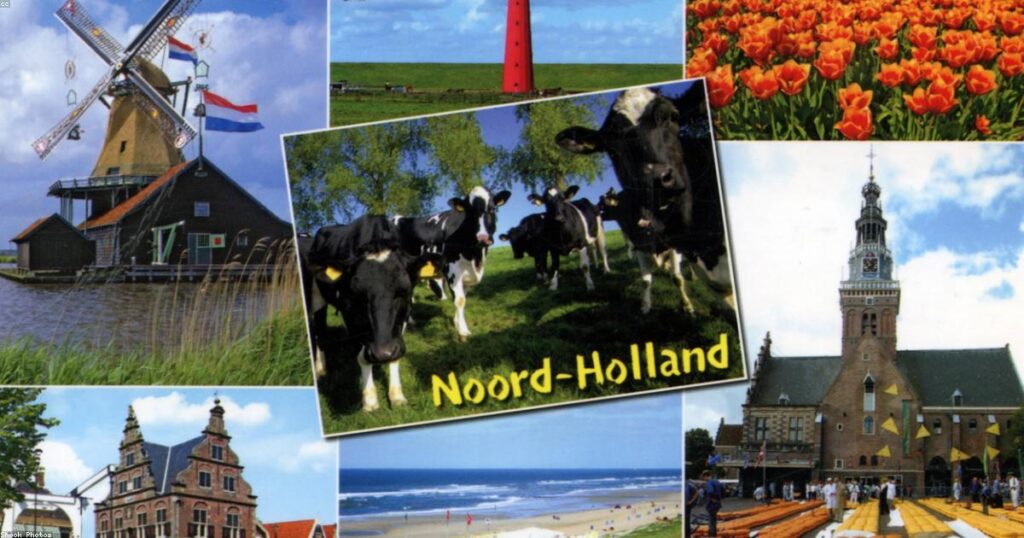
The Netherlands punches well above its weight in European e-commerce. With a population of roughly 17 million and one of the highest internet penetration rates in the world, the Dutch market generates over 30 billion € in online sales annually. It is also a popular gateway for international sellers looking to enter the EU market, thanks to logistics infrastructure centered around Rotterdam and Schiphol.
Why the Netherlands Is a Strategic Market
Dutch consumers are digitally savvy and comfortable buying from international stores. English proficiency in the Netherlands is among the highest in Europe – over 90% of the population speaks English – which lowers the barrier for non-Dutch sellers. Many international brands use the Netherlands as their EU distribution hub, making it a natural first stop for GPSR compliance.
But accessibility should not be confused with leniency. The Netherlands has a well-funded, proactive market surveillance system, and Dutch authorities expect full compliance from anyone selling consumer products in their market.
NVWA: The Dutch Enforcement Authority
The Nederlandse Voedsel- en Warenautoriteit (NVWA) is responsible for product safety enforcement in the Netherlands. While the name translates to the Netherlands Food and Consumer Product Safety Authority, their scope extends well beyond food. The NVWA monitors consumer goods across all categories, conducts random inspections, and investigates consumer complaints.
The NVWA is known for a pragmatic but firm enforcement style. They provide clear guidance to businesses, but when violations are found, they act decisively – issuing recalls, imposing fines, and publishing enforcement actions publicly. Their online presence we made it easy for consumers to report unsafe products, which keeps the complaint pipeline active.
GPSR Considerations for the Dutch Market
Because so many international sellers use the Netherlands as an EU entry point, Dutch authorities pay special attention to imported goods. If you warehouse products in the Netherlands or use Dutch fulfillment centers, you may be considered an importer under GPSR, which carries additional obligations around product testing and documentation.
On the language front, the Netherlands is more flexible than France or Germany. Product safety information in English is generally understood by Dutch consumers, though providing Dutch-language data is still recommended for maximum clarity and trust. For certain regulated product categories, Dutch-language warnings may be required.
Practical Steps for Online Sellers
- Display manufacturer details (name, address, contact) on every product page.
- Appoint an EU-based responsible person if your company is headquartered outside the EU.
- Include product identification data – batch numbers, model references, or other traceability markers.
- Ensure safety documentation is available and can be provided to the NVWA upon request.
- Consider Dutch-language safety warnings for consumer-facing products, even if not strictly required.
If you sell through WooCommerce, the GPSR Compliance for WooCommerce plugin handles the technical side of displaying this information. It adds dedicated fields for manufacturer data, responsible person details, and safety attributes – all rendered on product pages without custom development work.
Summary
The Netherlands offers a welcoming, English-friendly market with excellent logistics infrastructure. But that accessibility comes with serious regulatory expectations. Getting GPSR compliance right from the start positions your store for smooth operations across the entire EU, not just in the Netherlands.